
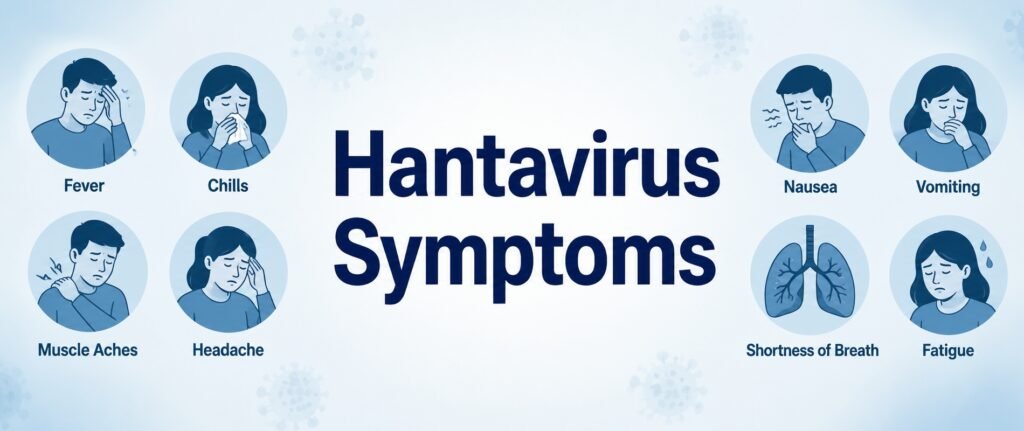

A recent viral awareness thread has drawn attention to the early warning signs of Hantavirus, a rare but potentially serious infection linked to rodents and contaminated environments. While the virus is uncommon, experts emphasize that recognizing symptoms early can make a major difference.
What Is Hantavirus?
Hantavirus is a virus primarily spread through contact with infected rodents, their droppings, urine, saliva, or contaminated dust particles. People are most at risk when cleaning enclosed areas such as cabins, barns, storage rooms, garages, or warehouses where rodents may have been present.
Unlike seasonal flu or COVID-19, hantavirus is not usually spread easily from person to person. However, severe cases can rapidly affect the lungs and breathing system, making medical attention critical.
Early Symptoms of Hantavirus
1. Fever That Feels Like a Strange Flu
One of the earliest warning signs is a sudden fever accompanied by fatigue and body aches. At first, it may resemble a normal viral infection or flu. However, if you recently spent time in rural areas, cabins, storage facilities, ships, or places with rodent activity, a strong unexplained fever should not be ignored.
2. Severe Muscle Pain
This is not ordinary muscle soreness. Hantavirus-related pain is often intense and may affect the thighs, hips, back, or shoulders. Many patients describe it as deep body pain combined with exhaustion and fever.
3. Headache, Chills, and Dizziness
A simple headache alone is not alarming. But when headaches appear together with chills, dizziness, fever, and possible rodent exposure, they become more concerning. Doctors often evaluate the overall combination of symptoms rather than a single sign.
4. Nausea, Vomiting, or Diarrhea
Many people assume hantavirus starts directly with breathing problems, but that is not always true. In some cases, the illness first appears like food poisoning or gastroenteritis, causing nausea, vomiting, stomach pain, or diarrhea. This can delay diagnosis because people may not suspect a serious infection initially.
5. Cleaning Rodent-Infested Areas
A major risk factor is cleaning closed spaces contaminated by rodents. Entering an old shed, garage, warehouse, barn, or cabin and sweeping dry droppings or dusty surfaces can release virus particles into the air. Symptoms may appear days or even weeks later.
6. Cough After Several Days of Fever
Hantavirus may begin with general flu-like symptoms, but a cough that develops later especially with chest tightness can signal worsening illness. At this stage, medical evaluation should not be delayed.
7. Shortness of Breath
Difficulty breathing is considered one of the most serious warning signs. If you feel breathless after minimal activity, experience chest pressure, or struggle to breathe normally, seek urgent medical care immediately.
8. Rapid Deterioration
Some illnesses progress slowly, but hantavirus can worsen very quickly. A person may begin with mild fever and weakness and then develop severe respiratory distress within just a few days.
People may face increased risk if they clean rodent-infested buildings, live or work in rural areas, spend time in barns, fields, cabins, or warehouses, come into contact with rodent droppings, nests, or contaminated dust and recently traveled to areas where hantavirus cases have been reported.
Experts stress that seeing a mouse occasionally is not the issue direct exposure to contaminated environments is the real concern.
How to Protect Yourself
Preventive steps are simple but important:
- Ventilate enclosed spaces before cleaning
- Spray disinfectant or water to dampen dusty areas
- Avoid dry sweeping rodent droppings
- Wear gloves and masks when cleaning contaminated spaces
- Wash hands thoroughly afterward
What appears to be ordinary dust may sometimes contain harmful particles. Seek medical attention immediately if you experience high fever, severe muscle pain, nausea or digestive symptoms, persistent cough, difficulty breathing and recent exposure to rodents or contaminated areas.
Breathing problems should always be treated as a medical emergency.
Final Thoughts
Hantavirus does not require panic, but it does require awareness. Understanding the symptoms, exposure risks, and early warning signs can help people act quickly and safely.
Health experts advise maintaining caution while cleaning rodent-prone areas and seeking medical help if unusual flu-like symptoms appear after exposure. Staying informed — not fearful — is the best protection.



[…] expedition-style cruise. During the voyage, multiple passengers began experiencing severe flu-like symptoms including fever, headaches, abdominal pain, and […]