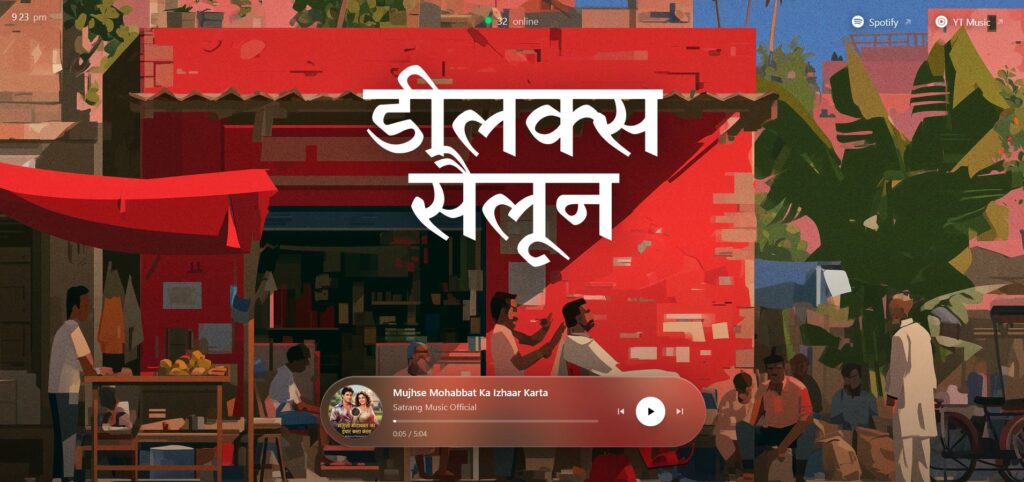

In an internet dominated by AI tools, algorithms, and endless content feeds, a surprising trend has emerged from India: a growing collection of hyper-specific nostalgia websites that recreate everyday experiences from the country’s recent past.
What started with a simple digital recreation of a neighborhood barbershop has evolved into something much bigger. Today, there are websites dedicated to truck-driver playlists, state transport bus journeys, chai tapris, roadside dhabas, regional music scenes, pan shops, construction sites, and even the theme songs of 90s cartoons.
None of these websites solve a billion-dollar problem.
Yet millions of Indians instantly understand them.
And that’s exactly why they’re becoming internet legends.
The Rise of “Digital Nostalgia”
Most tech products are designed to save time, increase productivity, or maximize engagement.
These websites aim for something entirely different:
They make you feel.
Open a site like saloon.wtf, and you’re transported back to the neighborhood barbershop where the television played old Bollywood songs while ceiling fans creaked overhead. The experience isn’t about functionality. It’s about memory.
Visit truckplaylist.wtf or hornokplease.xyz, and suddenly you’re sitting in a long-haul truck crossing highways at 2 AM, surrounded by the iconic music that has accompanied Indian road journeys for decades.
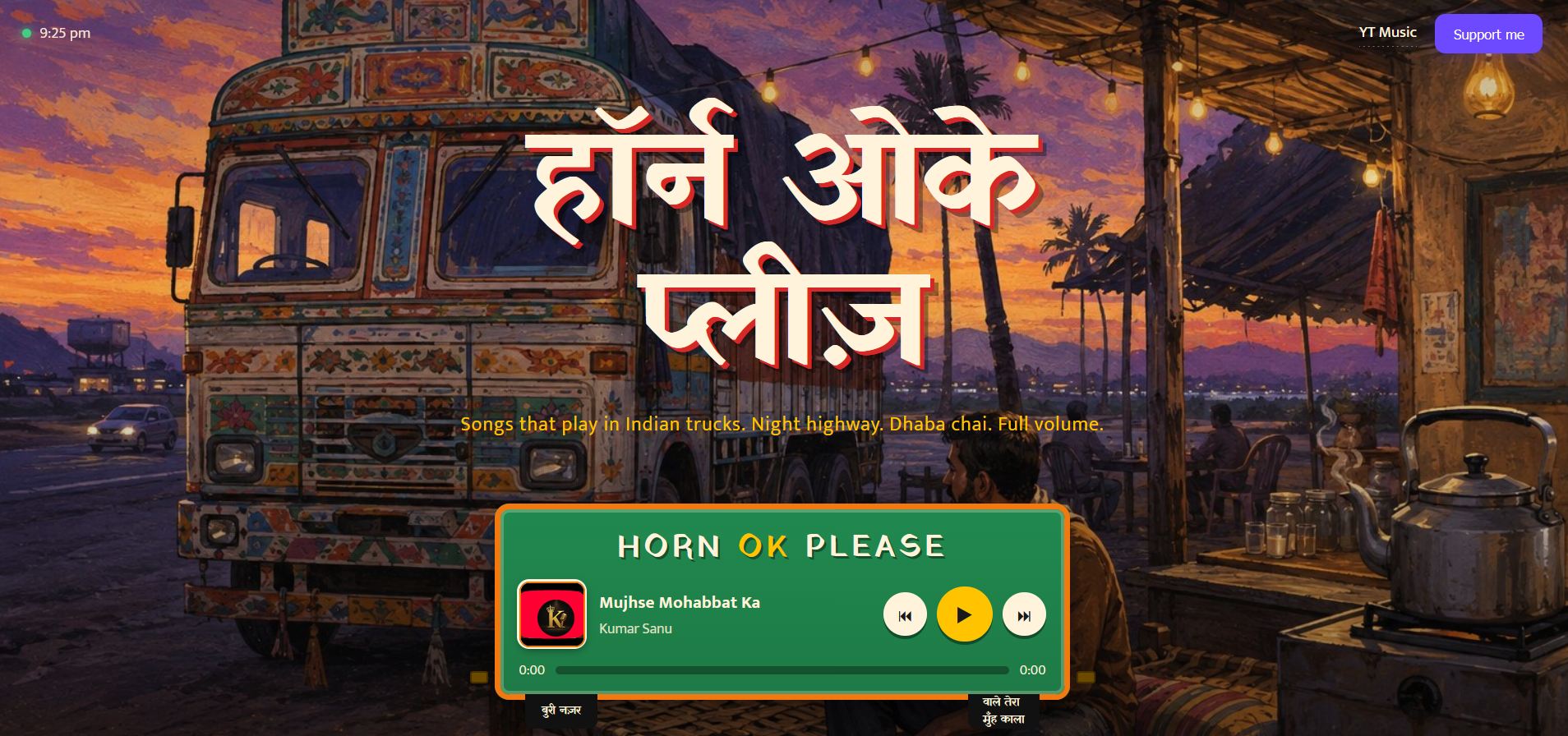
The magic lies in how specific these experiences are.
They’re not recreating “India.”
They’re recreating moments.
The most fascinating aspect of this trend is that it focuses on experiences that were never considered glamorous. Traditional nostalgia often centers around iconic landmarks, famous movies, or historic events.
These websites celebrate:
- Chai tapris with plastic stools
- Pan shops at street corners
- State transport bus rides
- Local barber shops
- Auto-rickshaw playlists
- Construction site radios
- Regional music collections
- Neighborhood street culture
These are the places where ordinary Indian life happened.
For years, the internet mostly documented celebrity culture, global trends, and urban aspirations. Now creators are documenting the sounds, songs, and atmospheres of everyday India before they disappear. The emotional reaction users have to these websites isn’t accidental.
Human memory is strongly connected to sensory experiences.
A particular song, ambient sound, or visual style can immediately transport someone back to a specific period of their life.
That’s why websites such as:
- UP Parivahan nostalgia
- Missing home + Marathi classics
- Soft Tamil night drive
- 2000s Kannada childhood unlocked
- Pure Kannada nostalgia
- Sindhi lada, full volume
- Old Punjabi Bluetooth-memory-card songs
- Bihar bus journey core
- Gujarati chachar chok
- Mazdoor anthem energy
- Cutting chai + plastic stool
- Chai ki tapri classic
- Long-distance bus uncle playlist
- Roadways bus vibes
- Mistri / construction site radio
- Auto wala, full volume
- Pan shop corner energy
- Dhaba + full thali mood
- Qawwali mehfil, late night
- Gali walk + old Bollywood
- Interactive truck + 90s bangers
- 90s cartoon theme songs
- 80s–90s gali nostalgia
- Another cutting chai classic
- Cutting chai special
- Another truck-radio gem
- Bihar Parivahan Nigam bus
- Gujarati nostalgia
- Mazdoor radio
feel far more powerful than a simple playlist.
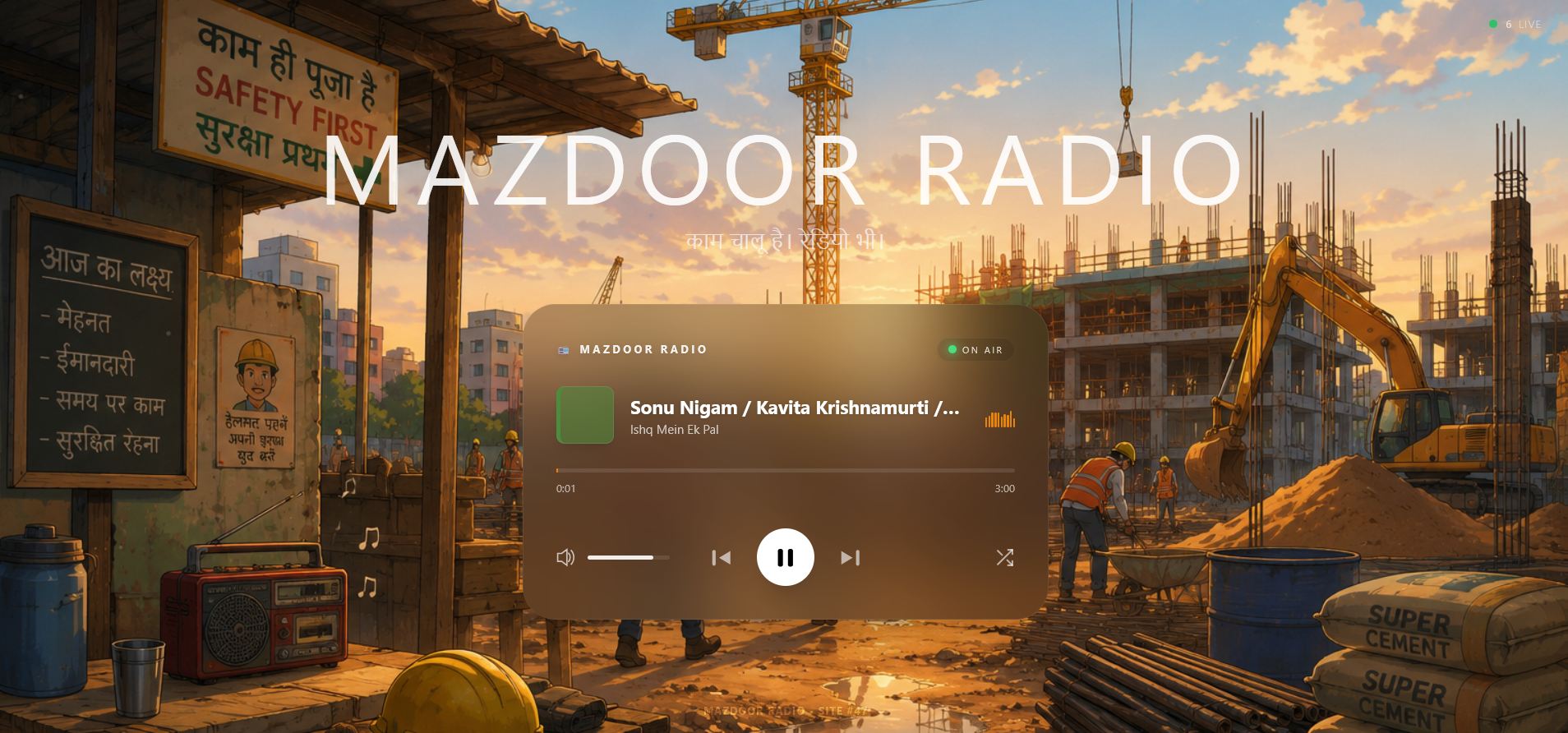
They’re interactive memory machines. The music matters. The visuals matter. The atmosphere matters.
Together, they recreate experiences many people hadn’t consciously thought about for years. Another reason these projects resonate is that they celebrate India’s linguistic and cultural diversity.
The collection includes experiences focused on:
- Marathi music
- Tamil radio culture
- Kannada classics
- Sindhi songs
- Punjabi memory-card hits
- Gujarati neighborhood culture
- Qawwali mehfils
For decades, much of the internet felt overwhelmingly globalized and English-centric.
These websites represent something different.
They proudly embrace local identities without trying to explain them to outsiders. If you’re from Maharashtra, the Marathi music site instantly makes sense. If you grew up in Karnataka, the Kannada nostalgia pages hit differently.
These projects prove that local culture doesn’t have to become global to be valuable.
Perhaps the biggest reason people love these websites is that they feel refreshingly human. Modern platforms constantly optimize for attention.
- Everything is measured.
- Everything is recommended.
- Everything is monetized.
These nostalgia sites operate on the opposite philosophy.
Someone simply thought:
“You know what? I miss sitting at a chai stall listening to old songs.”
And then they built an entire website around that feeling.
There is no grand startup pitch.
No productivity framework.
No AI-powered disruption.
Just genuine affection for a shared experience.
In an era where every product seems designed by market research, these sites feel handcrafted.
Viewed individually, each website is a quirky internet experiment. Viewed together, they form something remarkable: a crowdsourced archive of modern Indian culture.
They’re preserving memories that museums never collected and history books never recorded.
The songs played in a truck driver’s cabin.
The soundtrack of an auto-rickshaw ride.
The atmosphere of a roadside chai tapri.
The feeling of waiting in a state transport bus.
The soundtrack of a ₹20 haircut.
These may seem like small moments, but collectively they tell the story of a generation. Every few years, people declare that the internet has become too commercial, too algorithmic, or too artificial.
Then a trend like this emerges and reminds us why people fell in love with the web in the first place. Because somewhere, a stranger can create a website dedicated to a nearly forgotten experience from everyday Indian life.
And thousands of people immediately recognize themselves in it.
That is the real charm of this growing nostalgia ecosystem.
- Not the technology.
- Not the design.
- Not even the music.
The fact that these tiny websites capture something universal:
The realization that the things we thought were ordinary often become our most treasured memories.
In a world racing toward the future, India’s nostalgia web is quietly preserving the past, one chai tapri, bus ride, truck playlist, and neighborhood barbershop at a time.
And honestly, the internet feels a little more beautiful because of it.